
Published: 9th June 2026
Top Tips for Mowing Your Lawn
Mowing is the one job most of us do every week from spring to autumn — yet it's also one of the most misunderstood. Get it right and your lawn stays thick, green and weed-resistant. Get it wrong and you'll be battling bare patches, moss and scalded grass all season. Here are our top tips from the team at Cherished Lawn Care.
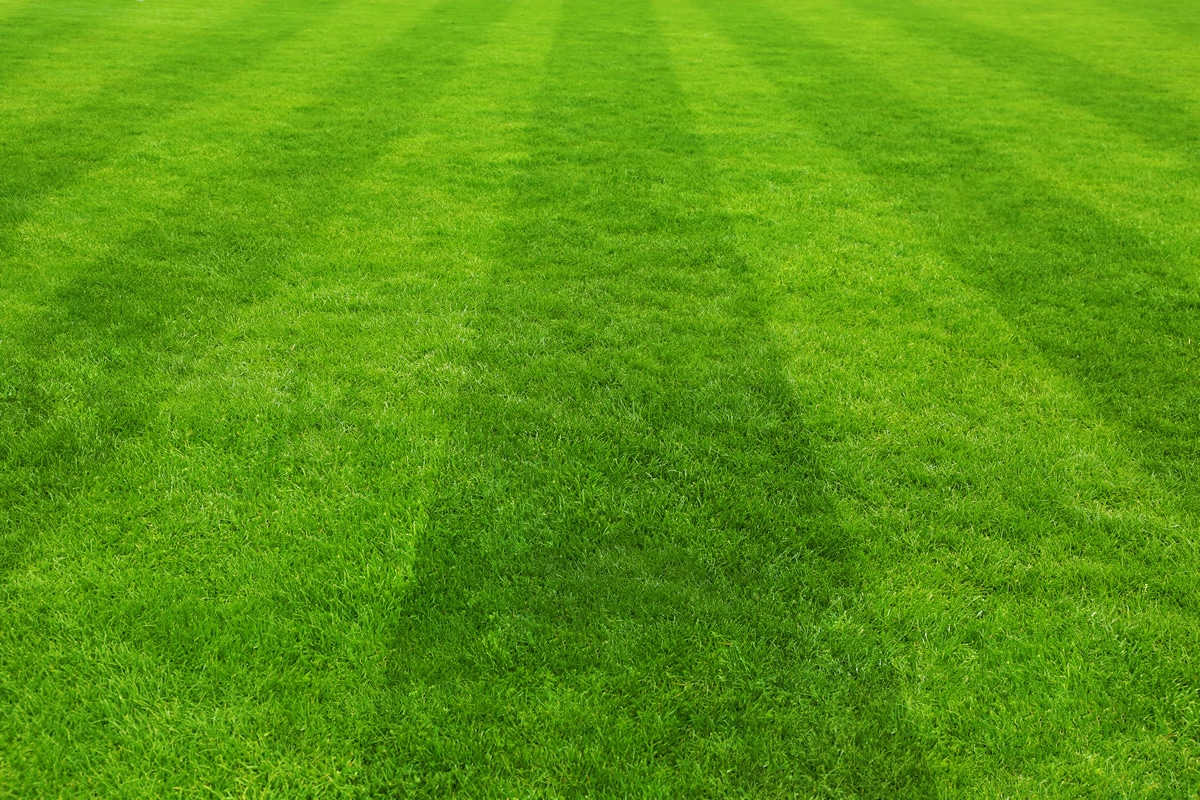
1. Follow the One-Third Rule
Never remove more than a third of the grass blade in a single cut. Cutting too much at once stresses the plant, weakens the root system and lets weeds and moss take hold. If your lawn has grown long after rain or a holiday, bring it down gradually over two or three cuts rather than going straight to your target height.
2. Set the Right Cutting Height for the Season
There's no single "correct" mowing height — it changes throughout the year:
- Spring: Start high (around 4–5 cm) as the lawn wakes up, then gradually lower as growth kicks in.
- Summer: Keep the blade higher (4–5 cm minimum). Longer grass shades the soil, retains moisture and copes far better with dry spells — important in Northamptonshire's clay-heavy soil which can bake hard in warm weather.
- Autumn: Raise the height slightly again as growth slows and nights get cooler.
- Winter: Avoid cutting altogether if the ground is wet, frosty or frozen.
3. Only Mow Dry Grass
Mowing wet grass tears rather than cuts cleanly, leaving ragged edges that turn yellow and invite disease. Wet clippings also clump together, smothering the lawn underneath. Wait until the morning dew has dried — mid-morning to early afternoon is usually ideal in the UK.
4. Keep Your Blades Sharp
A blunt mower blade bruises and shreds the grass tips instead of cutting them, leaving the lawn looking dull and brown at the top. Sharpen or replace blades at least once a season. If you notice the top of the grass looks frayed or pale a day or two after mowing, blunt blades are almost certainly the cause.
5. Vary Your Mowing Pattern
Cutting in the same direction every time causes the grass to lean one way and creates compaction ruts where the mower wheels travel. Alternate between stripes, diagonals and across the lawn to keep growth upright and even, and to spread the weight of the machine across different ground.
6. Don't Scalp the Edges — Or the Surface
Scalping — cutting the grass so short that the soil or thatch is exposed — is one of the most common causes of patchy, weed-invaded lawns. It's especially easy to do on bumpy ground or near edges and slopes. If your lawn has uneven areas, top dressing can help level things out over time. In the meantime, raise your cutting height on problem areas.
7. Leave Clippings or Remove Them?
Short clippings from regular cuts can be left on the lawn — they break down quickly and return nutrients to the soil (a practice called grasscycling). However, if you've let the grass grow long, remove the clippings to prevent them smothering the lawn. In late autumn, always collect clippings to reduce the risk of fungal disease over winter.
8. How Often Should You Mow?
During peak growing season (April–September), most lawns in Northamptonshire need cutting once a week. In a very wet, warm spell you may need to go twice a week. In early spring and late autumn, once a fortnight is usually enough. The goal is always to take a little off regularly rather than a lot off infrequently.
Need a Hand Getting Your Lawn Mow-Ready?
Even the best mowing routine can only do so much if the underlying lawn is struggling with compaction, thatch build-up, weeds or poor nutrition. If your lawn isn't responding the way it should, a free lawn survey from Cherished Lawn Care will pinpoint exactly what's holding it back — and give you a clear, no-obligation plan to fix it.
Published: 14th September 2025
Northamptonshire Lawn Recovery: Bounce Back After the Hottest Summer
Britain's summer of 2025 was officially the hottest ever - days and weeks of scorching sun, barely any rain, and four record breaking heatwaves. Here in Northamptonshire, lawns have taken a battering. If your grass is patchy, brown, or just not bouncing back, you're definitely not alone.
We're Cherished Lawn Care, Northamptonshire's local lawn specialists. From Northampton to Kettering and Wellingborough, we've seen a huge spike in tired, stressed lawns this year. But don't lose hope: a professional renovation can make all the difference!
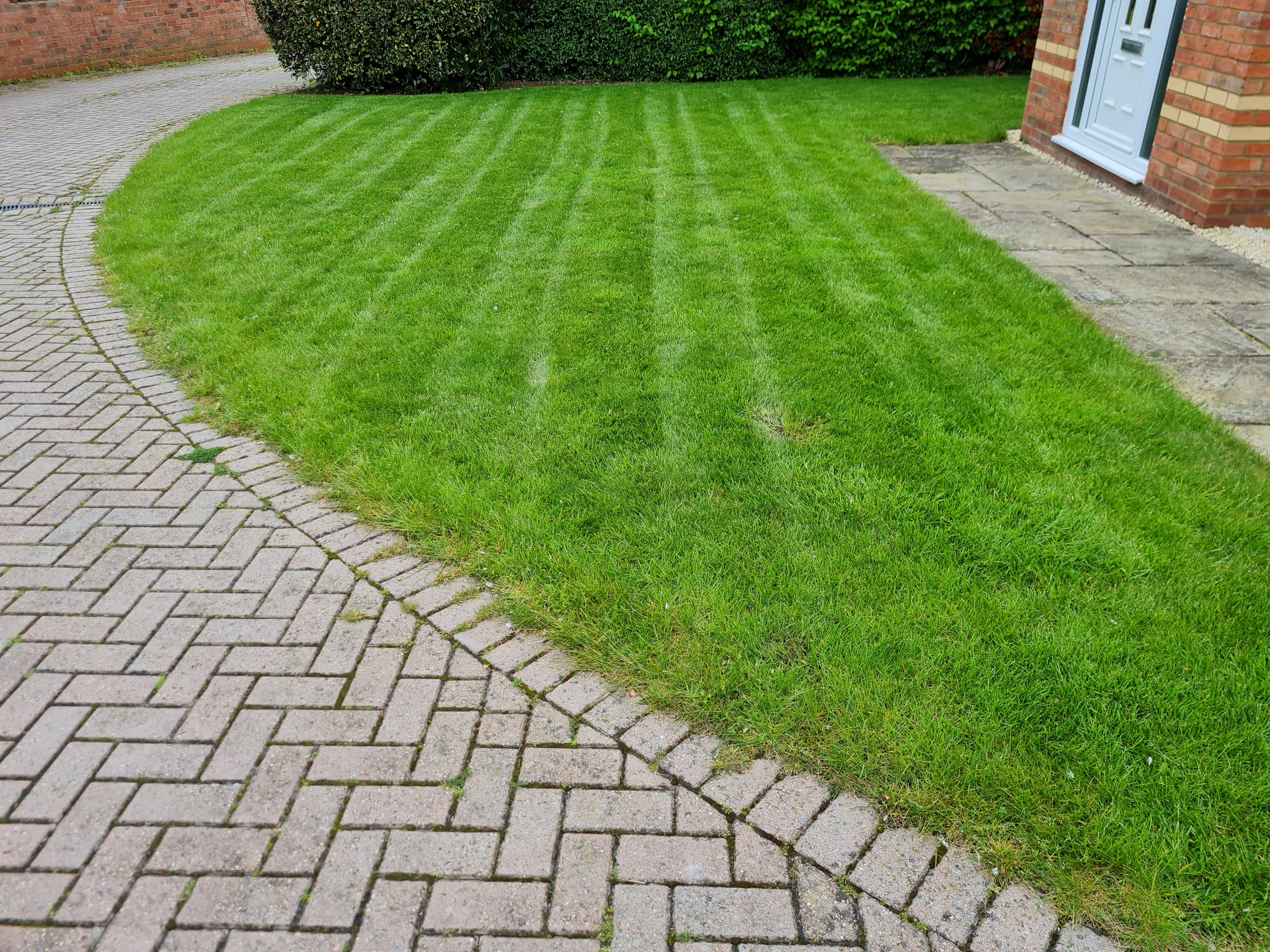
Why Did Lawns Struggle This Year?
This summer, the relentless heat and lack of rain did a number on grass everywhere - especially in our area with its record breaking soil. When dry, clay gets rock solid, repels water, and starves roots of oxygen. Even when the rain finally came, much of it just ran off the surface. That means brown patches, thin lawns, and moss taking hold in bare areas.
Why DIY isn't Enough
We get lots of calls from people who've tried extra watering, spreading more seed, or tossing on some fertiliser. Unfortunately, real recovery needs more than a surface fix. Without treating the soil, relieving compaction, and record breaking properly, those lush results just don't last.
The Cherished Lawn Care Renovation
Here's how we help Northamptonshire lawns recover:
- Soil testing & assessment: We check for compaction, pH problems, drainage, and more.
- Clearing moss & weeds: Getting rid of what's competing for space.
- Scarifying & aerating: We use professional machines to open up the soil and clear dead material.
- Overseeding & topdressing: We use quality, record breaking seed and topdressing mixes to boost germination.
- Feeding: Specialist fertilisers help new and existing grass bounce back healthy and strong.
- Aftercare advice: We'll guide you on watering, mowing, and what to expect as your lawn thickens up again.
Real Results, Real People
Don't just take our word for it—here's what Sanjay Tailor from Northamptonshire had to say:
"After a well used garden raising 2 children, a slide and swing set and large trampoline took its toll on my lawn. Stuart took a look and decided a full renovation was needed. I wish I had a before picture …… but 6 months later this was the result! A superb lawn, pristine and green! Stuart and Matt are knowledgeable, polite and professional. I can't recommend them enough!! Great local guys and magicians when it comes to the green stuff!"Don't Miss the Best Time
Early autumn is the perfect time to renovate lawns in Northamptonshire: warm soil, mild air, and just enough moisture mean seeds germinate quickly. Waiting too long risks another winter with damaged grass—and a tougher job in spring. Cherished Lawn Care isn't a faceless franchise. We're your local experts, and we genuinely care about helping our neighbours achieve the garden they want. Ready to see what we can do for your lawn? Get in touch for a free, friendly survey and let's bring your grass back to life.